The Governed Metrics Server as the Safe Query Boundary for Supabase and AI Agents
Agents get named metrics from prepared data, not live Postgres.
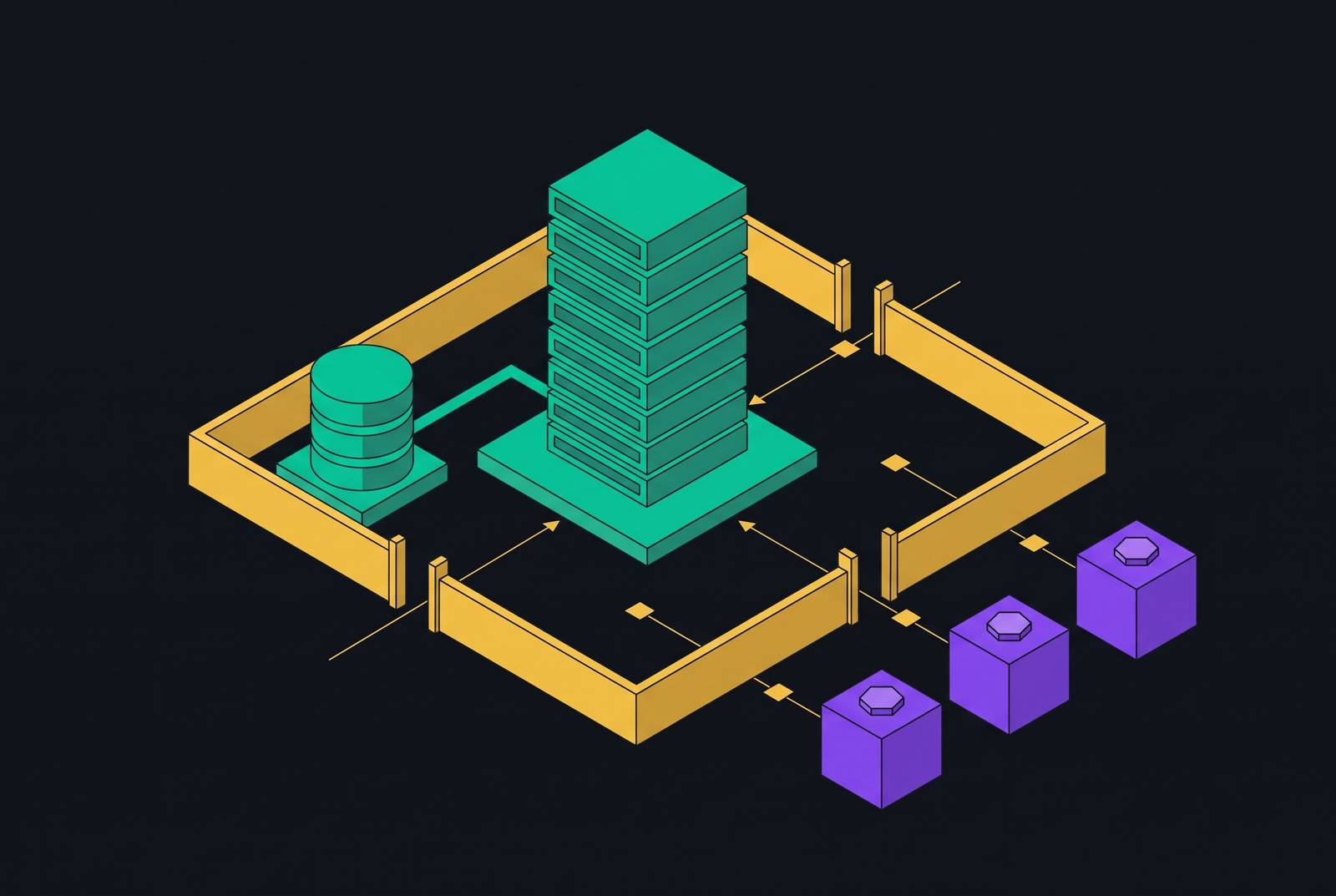
AI agents should access Supabase metrics through a governed metrics server, not a production database connection. The server pre-calculates canonical metrics into governed Parquet datasets, serves them through DuckDB, and exposes named tools through a single MCP endpoint. This makes the governed metrics server the safe query boundary between agents and Postgres, controlling what agents can ask while keeping their analytical reads off production compute.
Why AI agents querying Supabase production databases is a different risk than human developers doing the same
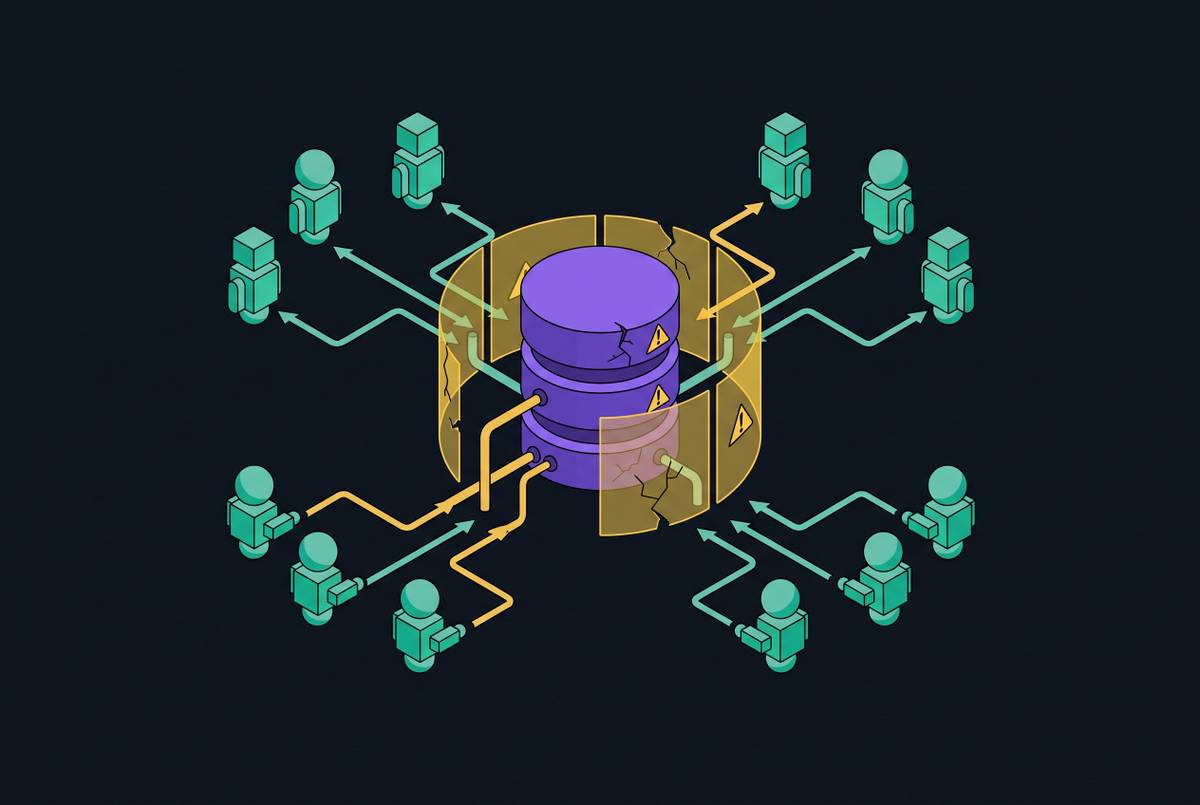
The change begins when a team wires an agent to its Supabase project. The same connection string that powers the application now powers something that runs without sleeping. A developer usually queries deliberately, with some understanding of the schema and the likely cost. An agent follows tasks and prompts without that implicit restraint. A small prompt change can turn a request for a row count into a full-table scan.
Agent queries do not naturally yield when application traffic spikes, so a burst of analytical work can compound the load from live users. Human interaction rates provide no useful bound on that work. Task schedules and prompt chains can keep requests coming after a developer would have stopped. The database has to run those requests while still serving the application.
Security and accuracy introduce separate problems. An agent can piece together information outside the database from many small reads it is allowed to make, learning more than any one response shows. Permission to read is not a definition of acceptable use. Meanwhile, raw OLTP tables do not supply the deduplication and business logic needed to define an “active user” or a “churned” customer. An agent can therefore return a confidently stated number that disagrees with the dashboard without violating a database permission or encountering a query error.
What a governed metrics server actually is, and what it is not
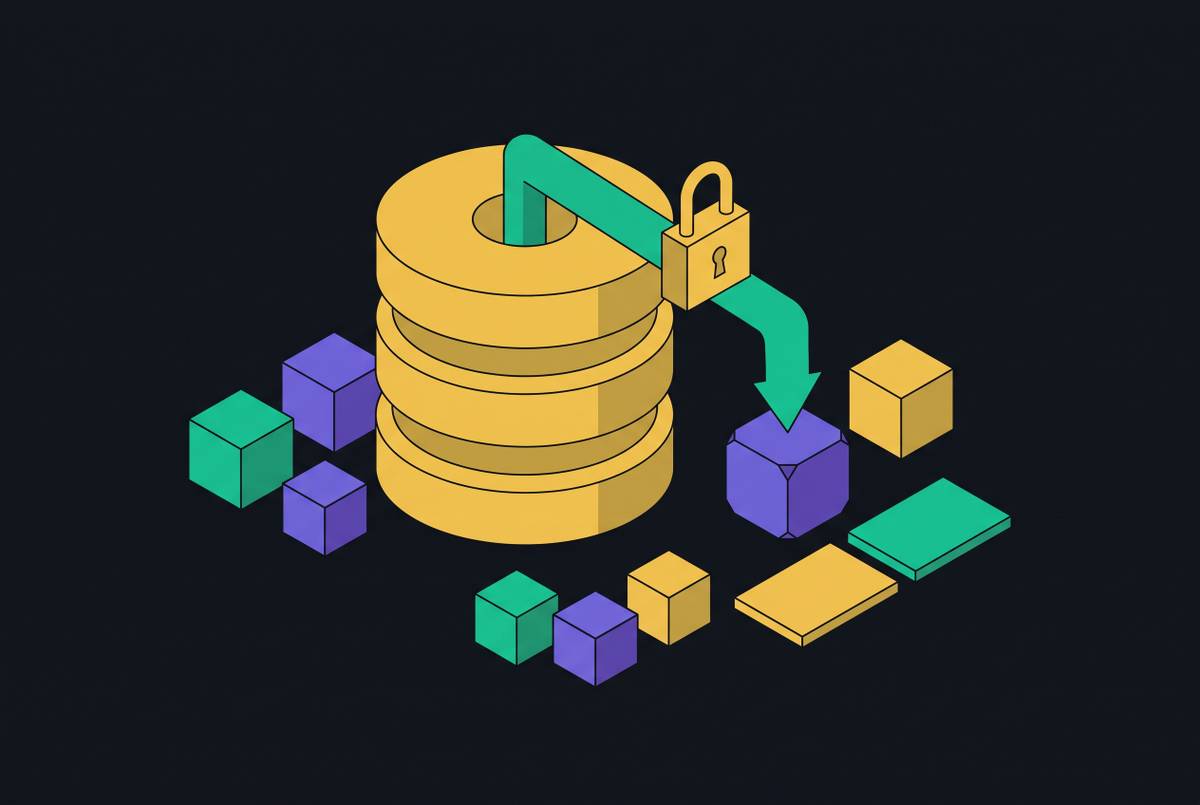
Metrics are computed ahead of time, written to governed Parquet datasets, and made queryable through DuckDB. Agents receive a materialized representation of the business rather than permission to compose SQL against live OLTP tables. The exposed dataset defines the available analytical surface. Its business meaning is established before an agent asks a question.
This is not simply a read replica. A replica removes analytical reads from the primary database but still permits queries against a copy of the raw schema. It does not establish canonical metric definitions or restrict questions to modeled datasets. Nor is the server another name for Postgres row-level security. RLS controls which rows a role can see, while this boundary also controls which metrics and relationships are available to ask about.
The design also differs from a semantic layer added to a separate data warehouse. It stays within the Supabase project’s architecture, with Postgres remaining the analytical home rather than becoming a source shipped to another warehouse. Parquet provides the materialized serving datasets, and DuckDB reads them. The agent gets an endpoint. Every tool call resolves to a named metric or dataset, so “governed” describes a constrained access contract backed by prepared data.
How pre-modeling data into governed datasets eliminates the query surface agents can abuse
The server bounds the agent’s query surface through what it exposes. Named metrics such as weekly_active_users, mrr_by_plan, and churn_rate_last_30d bound the questions the agent can ask. Unmodeled columns, tables, and relationships are absent from that interface. There is no raw schema to explore. Even when an agent makes a mistaken request, it can ask only for the exposed metrics and cannot run arbitrary SQL against a production table.
Consider an agent writing a weekly growth report. It calls an MCP tool for weekly_active_users, and the server resolves that request to a DuckDB read against the governed Parquet dataset. The joins, deduplication, and aggregation have already happened in a scheduled process running off-peak. DuckDB’s official documentation describes direct querying of Parquet files without an import step. The agent therefore reads a result that is already prepared, so the Postgres planner has no fresh analytical work to run under live traffic.
With a production connection, the same reporting task leaves the agent to choose tables, interpret relationships, and reconstruct the meaning of activity. Pre-modeling means the agent no longer has to make those choices when it queries. Versioning also makes the result stable within a dataset version. An agent reading version 3 of weekly_active_users gets the same number at 2am as during a traffic spike. A later materialization can provide a new version, but a prompt change cannot silently redefine the metric already being read.
Why database-layer permissions alone cannot serve as the safe boundary
RLS and read-only roles remain correct controls for a Supabase production database. The governed metrics server sits in front of them, with both controls remaining in place. RLS restricts row visibility, and read-only access prevents changes through that role. Those are necessary protections against unauthorized access and writes. They do not ensure that an authorized analytical request is affordable, meaningful, or safe when combined with other permitted reads.
Query cost remains outside that authorization decision. RLS is enforced during query execution, and the presence of a row filter does not guarantee that an expensive scan is avoided. Read-only access also leaves repetition and concurrency untouched. An agent can ask the same question from many concurrent sessions until connection pool exhaustion becomes a denial-of-service from a trusted role. Every request may be permitted while the combined workload disrupts the application.
Derived information presents a different limit. An agent allowed to read users and events can bring those results together in its context window and work out a metric the team sees as sensitive. No individual read needs to breach a permission. Likewise, counting subscriptions where status is “active” produces a number without establishing whether it matches the team’s definition of active subscribers. After database permissions are in place, the remaining gap is control over query cost, available combinations of information, and the business meaning of the answer.
What the governed metrics server does to Supabase's OLTP compute at scale
Even an authorized agent producing correct answers can be a performance liability when its queries run on production. Application demand follows user sessions, rising with activity and easing when users stop. The load from agents follows task schedules and prompt chains. It can continue without a corresponding increase in users. Adding concurrent agent instances multiplies that read pressure regardless of what the application is doing.
For a small team, this is both a compute expense and a user-experience concern. The same Supabase Postgres instance handles auth, storage metadata, and application queries, as well as analytical reads that have not been moved elsewhere. An agent joining three large tables every five minutes imposes a persistent background tax on that shared resource. Smaller compute tiers are especially exposed. A larger instance still leaves the application’s transactional work and the agent’s analytical work using the same compute.
Materialization changes where that expense is paid. Once a dataset has been calculated and written to Parquet, agent reads against it add no query work to Postgres. The preparation cost remains in a scheduled process with a controlled cadence. Analytical serving can then be sized separately from transactional work without requiring a separate warehouse. Absorbing agent load is therefore part of governance, because a permitted question should not gain an uncontrolled claim on the compute needed by live users.
How do teams connect AI agents to Supabase metrics through a single MCP server?
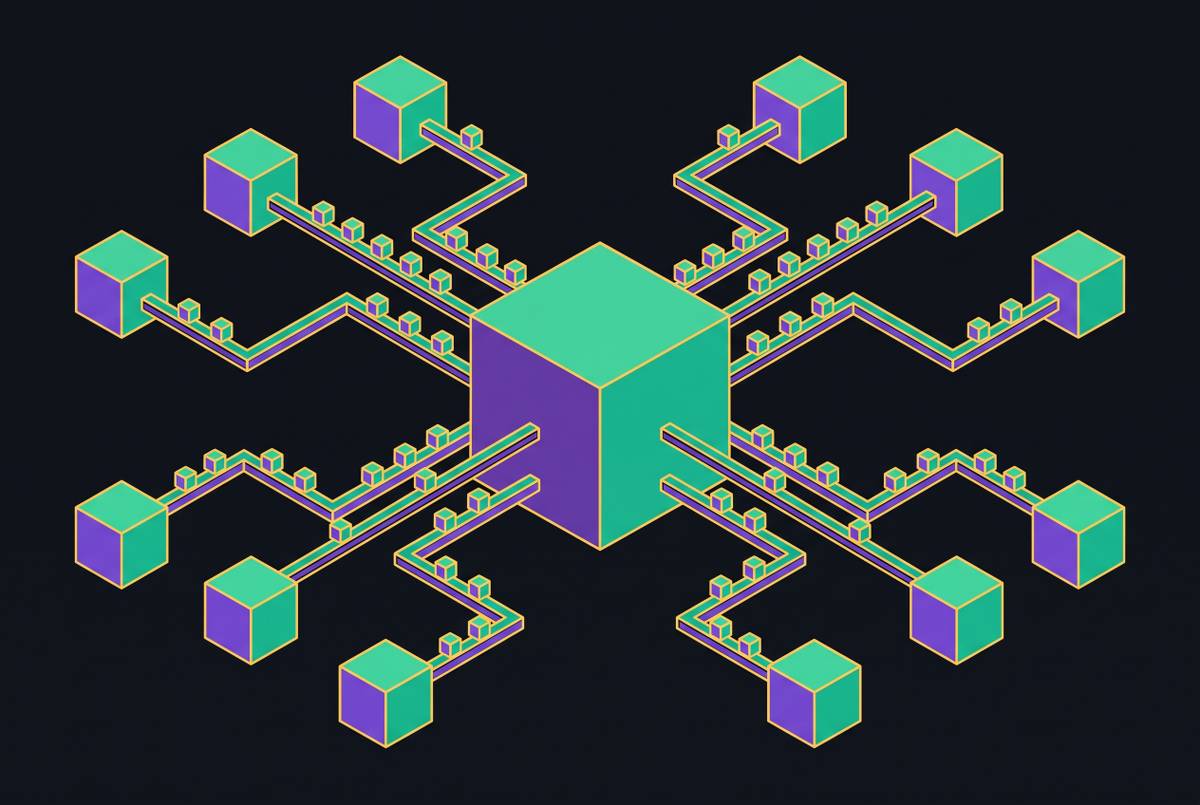
From the agent’s side, the governed metrics server is a single endpoint exposing named metric tools. The MCP specification describes tools as having a name, description, and JSON Schema for inputs. Requirements for metrics or dataset versions belong to the server’s design. An MCP endpoint therefore needs to expose governed datasets through a constrained query surface.
For example, get_mrr_by_plan can return a versioned, pre-calculated dataset with the business definition already applied. The agent can reason about revenue without deriving that definition from raw subscriptions. This also creates a natural audit surface. A named tool call with a known schema is loggable, replayable, and comparable across time, while ad-hoc SQL does not itself preserve a canonical statement of what the business wants to measure. Dataset versioning gives that comparison a defined analytical reference.
A dashboard, a Slack report, and a weekly email digest can read the same governed datasets used by agents. When a definition changes, the change belongs in the pre-modeling layer, and the next materialization cycle supplies the new version to each consumer. With this interface, agents get answers that agree because they share the same prepared data, without each agent having to work out the definitions from prompt instructions.
What teams building on Supabase should put in place before their agents get production database access
The practical sequence is to establish the governed metrics layer before connecting agents to production data. A team should first agree on canonical definitions for “active user”, “MRR”, and “churn”. Without agreed definitions, the server has nothing canonical to enforce, and moving a calculation out of Postgres merely relocates the disagreement. The hardest part is the discipline of defining metrics before they are urgently needed.
Those definitions should then become the governed datasets that agents are allowed to read, with scheduled materialization and a named MCP interface. RLS and read-only roles should remain in place behind that boundary. The agent’s access should end at the metrics server.
Postgres serves transactional work, the modeling process establishes business meaning, and the MCP server exposes the prepared answers agents need. Humans and agents can then act on the same definitions instead of reconciling competing numbers after a report appears. That is the trust requirement behind this architecture. The biggest risk of the AI era is not a lack of data, but a lack of data that humans and agents can actually trust.